Léon: The Professional: Why Its Controversial Themes Endure Today
Few films spark as much debate and fascination three decades after their release as Luc Besson’s 1994 masterpiece, Léon: The Professional. Known variously as Léon, The Professional, and in German-speaking regions, Léon – Der Profi, this gritty, emotional thriller left an indelible mark on cinema history. It launched the stellar career of a young Natalie Portman as Mathilda, captivated audiences with Jean Reno's understated performance, and delivered one of cinema's most memorable villains in Gary Oldman's Stansfield. Yet, beneath its critical acclaim and cult status, the film grapples with themes that remain deeply controversial, prompting discussions about ethics, cinematic interpretation, and the fine line between protection and exploitation.
A Timeless Yet Troubling Narrative
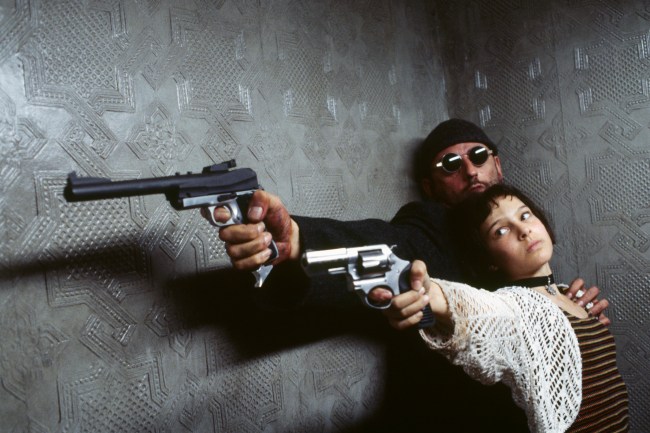
At its heart, Léon: The Professional tells the story of Mathilda, a twelve-year-old girl whose family is brutally murdered by corrupt DEA agents. Left with nothing, she finds an unlikely refuge in her reclusive, emotionally stunted neighbor, Léon (Jean Reno), a professional hitman. What ensues is a unique "relationship story" – Mathilda, seeking revenge and a surrogate family, persuades Léon to teach her the tools of his trade, while simultaneously bringing a flicker of humanity and warmth into his isolated existence. This central dynamic is precisely where the film's enduring controversy lies.
In 1994, the pairing of a pre-teen girl and an older man, even in a non-sexual context, was already provocative. Today, viewed through a more scrutinizing lens informed by heightened awareness of child exploitation and power dynamics, the film's premise can be deeply unsettling for many. Audiences are forced to confront uncomfortable questions: Was Besson deliberately "playing with fire"? Does the film romanticize an inappropriate relationship, or does it cleverly subvert expectations to portray a complex, albeit platonic, bond born of trauma and necessity?
Deconstructing the Dynamic: Platonic Protector or Something More?
A crucial element in understanding the film's controversial relationship is the intentional portrayal of its characters, particularly Léon. Jean Reno, the actor behind the iconic hitman, made a conscious decision to imbue Léon with an almost childlike innocence and emotional immaturity. Reno himself explained his character as "a ten-year-old boy who falls in love with a twelve-year-old girl," emphasizing that any physical relationship with Mathilda would be unthinkable. This choice was deliberate: to make it believable to the audience that Léon, despite his profession, would never exploit a vulnerable young girl. He is depicted as emotionally stunted, finding comfort in the routine of his brutal work and the simple companionship of his houseplant.
Mathilda, on the other hand, is precociously mature due to her traumatic upbringing, yet still very much a child seeking love and belonging. Her emotional attachment to Léon is often misinterpreted as romantic, but it can be more accurately seen as a yearning for the parental figure she has lost and the protector she desperately needs. The film meticulously crafts scenes that highlight their mutual vulnerability rather than romantic tension: Léon teaching Mathilda to shoot, Mathilda teaching Léon to read, their shared moments of silence, and their symbiotic reliance on each other for survival and emotional solace.
Luc Besson, who penned the screenplay in a remarkable one month, navigated this delicate balance with a distinct European sensibility. It’s an interesting geographical tidbit that while the film is set in New York City, many scenes for Léon’s apartment were actually filmed in Paris. This subtle blending of cultures might contribute to the film’s unique flavor, allowing it to explore themes with an emotional depth that perhaps challenged conventional Hollywood norms of the time.
Natalie Portman's Legacy and Evolving Perspectives
For many, Léon: The Professional is synonymous with the unforgettable debut of Natalie Portman. Her performance as Mathilda was nothing short of extraordinary, especially considering she was just 12 years old herself during filming. She beat out over 2,000 other hopefuls for the role, demonstrating a raw talent and intensity far beyond her years. Her portrayal of Mathilda – fierce, vulnerable, and heartbreakingly resilient – is often cited as one of the greatest child performances in cinema history.
However, the intensity and sometimes suggestive nature of Mathilda's character have led to complex feelings for Portman herself. Years later, as an adult, she admitted to almost regretting aspects of the role, reflecting on the pressures and the sometimes uncomfortable attention it brought. This evolving perspective from the actress herself adds another layer to the film's enduring controversial themes. It prompts a broader conversation about the responsibilities of filmmakers when casting child actors in mature or challenging roles, and how such experiences can impact their lives and careers moving forward. For a deeper dive into her reflections, you can read more at Natalie Portman on Mathilda: Why She Almost Regretted Her Iconic Léon Role.
Portman's journey from Mathilda to an Oscar-winning actress is a testament to her talent and resilience. Her role in Léon, despite its complexities, undeniably paved the way for a remarkable career, leading her to diverse projects like Black Swan, V for Vendetta, and her recent work as a therapist in Good Sex and as scientist Rosalind Franklin in Photograph 51. Her story is a powerful reminder of the impact a single, pivotal role can have, both personally and professionally.
The Enduring Impact: Why "Léon" Still Resonates
Beyond the debates surrounding its central relationship, Léon: The Professional endures as a cinematic achievement for numerous reasons. Luc Besson’s distinctive visual style, characterized by its slick cinematography, vibrant color palette, and dynamic action sequences, is on full display. The film's soundtrack by Éric Serra is iconic, perfectly complementing its emotional highs and lows. The performances are universally lauded: Jean Reno's quiet intensity, Natalie Portman's breakthrough, and Gary Oldman's unhinged, unforgettable portrayal of the villainous Stansfield, whose unpredictable nature makes him one of the most compelling antagonists in modern cinema.
The film explores universal themes that resonate deeply with audiences: the search for belonging, the profound impact of loss and trauma, the blurred lines between good and evil, and the unexpected places where one might find solace and connection. It’s a story about two lost souls finding a semblance of family in each other, against a backdrop of violence and despair. Its raw emotional power and stylistic brilliance transcend its controversial elements, cementing its place as a cult classic.
The film's impact on its cast and crew is undeniable. Jean Reno, "the one and only" choice for Besson, despite interest from actors like Mel Gibson and Keanu Reeves, continued a distinguished career, with upcoming roles in films like The Butler and The Florist. Gary Oldman remains prolific, currently captivating audiences as Jackson Lamb in Apple TV's Slow Horses. And Luc Besson, the visionary director, continues to develop ambitious projects, including the futuristic The Last Man. To learn more about their journeys after this landmark film, explore Beyond Léon: The Professional - What the Cast is Doing Now.
In conclusion, Léon: The Professional, or Natalie Portman Leon Der Profi as it's known to many fans, is more than just a film; it's a cultural phenomenon that continues to provoke thought and discussion. Its controversial themes are not a flaw but an integral part of its enduring power, forcing viewers to engage with complex moral questions and challenging their preconceived notions about relationships and responsibility. This provocative masterpiece, with its unforgettable performances and unique narrative, remains a powerful and essential piece of cinema, proving that true artistry can often be found in the most uncomfortable of spaces.